
 Factal
Welcome to Factal Forecast, a look at the week’s biggest stories from the editors at Factal.
We publish our forward-looking note each Thursday to help you get a jump-start on the week ahead.
Flooding in Afghanistan and Pakistan has left dozens dead and many more injured since late March. In this week’s Factal Forecast podcast, Senior Editor Jimmy Lovaas and Editor Awais Ahmad discuss some of the impacts from the flooding and the ongoing risk of extreme weather.
Listen now or download on your favorite platform.
Week of April 10 – 17
A Look Ahead
April 12 | Hungary parliamentary election
Hungary will hold parliamentary elections Sunday to choose the makeup of the 199-seat National Assembly as Prime Minister Viktor Orban runs for his fifth-straight term against a newly unified opposition.
What’s happened so far
Orban has been at the forefront of Hungarian politics for decades, elected to national office in 1990 in Hungary’s first free elections following the end of Communist rule. Over the years he has cemented his grip on power, stifled the country’s opposition and picked fights with the European Union, while acting as a totem for far-right commentators across the world. Peter Magyar, a former Fidesz insider and now leader of the opposition, has united the country’s opposition groups and poses the greatest challenge to Orban’s rule. The final days of an already vicious campaign have seen heightened tensions and cries of interference and sabotage.
The impact
Opinion polls have consistently shown a lead for the opposition, but a win in the country’s popular vote may not directly translate to winning the most seats due to Hungary’s electoral system. A result which may see Tisza or Fidesz coming up short in seats, but remaining the largest party, could allow either leader to cobble together a coalition. A landslide victory for Magyar, with his bloc winning more than two thirds of the seats in parliament, would afford him broad latitude to act on any issue up to and including amending the country’s constitution and could allow him to begin unpicking Orban-chosen loyalists from public institutions. A clear Orban win, considered unlikely in some polls, would likely usher in further consolidation amid soul-searching among the country’s opposition parties at what to do next.
April 12 | Benin Presidential Election
Benin will hold its presidential election Sunday, marking the country’s first transfer of executive power in a decade as President Patrice Talon steps down after ten years in office.
What’s happened so far
The main opposition figure, Les Démocrates’ Renaud Agbodjo, was kept off the ballot after the Constitutional Court rejected his candidacy over endorsement requirements. The vote follows constitutional changes passed in November that extended presidential terms from five to seven years and created a senate expected to include former heads of state and presidential appointees. The campaign is also unfolding in the shadow of a failed coup attempt on December 7 led by Lieutenant Colonel Pascal Tigri, where elements of the military briefly appeared on state television to announce Talon’s removal before the government said the army restored control with support from regional allies.
The impact
If no candidate secures an absolute majority in the first round, a runoff is scheduled for May 10, with provisional first-round results expected April 17. Ruling-camp candidate Romuald Wadagni is widely seen as the favorite, so the main thing to watch is whether the exclusion of Les Démocrates fuels criticism or limited unrest. Any unusual military activity or signs of instability would also draw close attention given the failed coup attempt. But the more immediate security challenge for the next president appears to be Benin’s worsening jihadist threat in the north, which Reuters has called one of the defining issues of the campaign.
April 12 | Peruvian general election
Peru will head to the polls Sunday to choose its ninth president in ten years after years of political turmoil, with a crowded race of 35 candidates hoping to win.
What’s happened so far
Peru’s highest executive office has seen particularly high turnover since 2022, when former President Pedro Castillo was removed over an alleged coup attempt, for which he was recently sentenced to prison. Castillo was replaced by the highly unpopular Dina Boluarte, who was then removed from office last October over allegations of money laundering and abuse of office. Boluarte’s replacement Jose Jeri was removed and replaced just this February, weeks before the upcoming election.
The impact
Each change in presidential office has seen growing discontent against corruption and rising crime rates, with protests against Boluarte and Jeri turning deadly. Right-wing candidates championing law and order are now leading the polls, but no candidate is expected to secure a clear first-round majority, so a runoff between the two leading candidates from this weekend’s polls is expected June 7. The next elected president is due to take office on July 28.
April 13 | Canada by-elections
Two districts in greater Toronto and one in suburban Quebec will hold elections for their members of parliament Monday to determine if Prime Minister Mark Carney’s Liberal Party can form a majority government.
What's happened so far
Sitting Liberal MP and Minister of National Defense Bill Blair left his seat in the Scarborough suburb of Toronto this February to become Canada’s chief diplomat to the United Kingdom. A month prior, Chrystia Freeland, former deputy prime minister and Liberal leadership candidate, resigned from her central Toronto seat to pursue a role as a private advisor to Ukraine. In the Terrebonne district of suburban Montreal, last April’s vote saw Liberal candidate Tatiana Auguste win the seat by literally a single vote. When a court ruled that one of rival Nathalie Sinclair-Desgagné’s votes was unfairly annulled, a new election was triggered. Carney called these elections on March 8, after a series of Conservative MPs had crossed the aisle and joined the Liberals, edging them closer to the 172 seats required for an outright majority.
The impact
The two Toronto area seats have been solidly Liberal since 2015, but the Terrebonne seat will be closely contested between the Liberals and the Quebec nationalist Bloc Quebecois party. Despite this, the Liberals recruited a prominent member of the Ontario provincial New Democratic Party (NDP) to run for Blair’s old seat in Scarborough, signaling an aggressive attempt to eat at the federal NDP’s voters. If the Liberals can win all three seats, Carney will form an outright majority government, making it much easier to pass legislation.
April 13 | IMF and World Bank Spring Meetings in DC
The annual and Spring meetings of the International Monetary Fund and the World Bank will take place in Washington, D.C., starting Monday, in a series of events that will last a week.
What's happened so far
World leaders, civil society representatives and central bankers are expected to travel to Washington for the week-long event to discuss the state of the world’s economy, which comes against the backdrop of the economic fallout of the ongoing war in Iran. The IMF has warned the conflict has brought volatility into global oil and gas markets, tightened financial conditions and driven up the cost of essential commodities.
The impact
The U.S.-Israel war on Iran and its effect on the world’s economy will certainly be the highlight of talks, as the closure of the Strait of Hormuz threatened global supply chains and energy markets. During the meetings, the IMF and the World Bank are expected to make efforts to coordinate international responses to the conflict, but have also signalled they could provide financial support where needed.
April 13 | Pope tour of Africa
Pope Leo will begin a 10-day tour of four African countries Monday, marking his first visit to the continent.
What's happened so far
The pope will travel to Algeria, Angola, Cameroon and Equatorial Guinea during his trip. His visit to Algeria will mark the first ever papal visit to the predominantly muslim country, including a visit to the Great Mosque in Algiers. He visited several African countries, including both Kenya and Tanzania, during his time as a cardinal. Africa is home to roughly 20 percent of the global Catholic population.
The impact
Catholicism is growing faster in Africa than anywhere else in the world, highlighting the continent’s importance to the church. The pope’s first papal visit to Turkey and Lebanon in November last year centered on promoting dialogue between world leaders at a time of global conflict. He is expected to focus on facilitating dialogue between Catholic and Muslim leaders and promote unity during his visit.
April 14 | LAUSD teacher and service workers union strike
Three major unions representing tens of thousands of teachers, staff members and administrators in the Los Angeles Unified School District could go on strike beginning Tuesday.
What's happened so far
Employees with United Teachers Los Angeles, Service Employees International Union Local 99 and the Associated Administrators of Los Angeles announced their intent to strike following more than a year of contract negotiations with the school district. Employees are seeking more funds for resources and higher wages. School district officials earlier acknowledged the rising cost of living and offered increases, though they fell short of those demanded by workers.
The impact
If the strike happens, officials have warned it would be impossible to keep all campuses open, impacting hundreds of thousands of students in the nation’s second-largest school district and their families. Those who may go on strike include teachers, counselors, custodians, nurses, food service workers, bus drivers and more. It remains unclear how long the strike might last, with disruptions possible for state testing and college-admissions assessments.
What Else Matters
Iran ceasefire
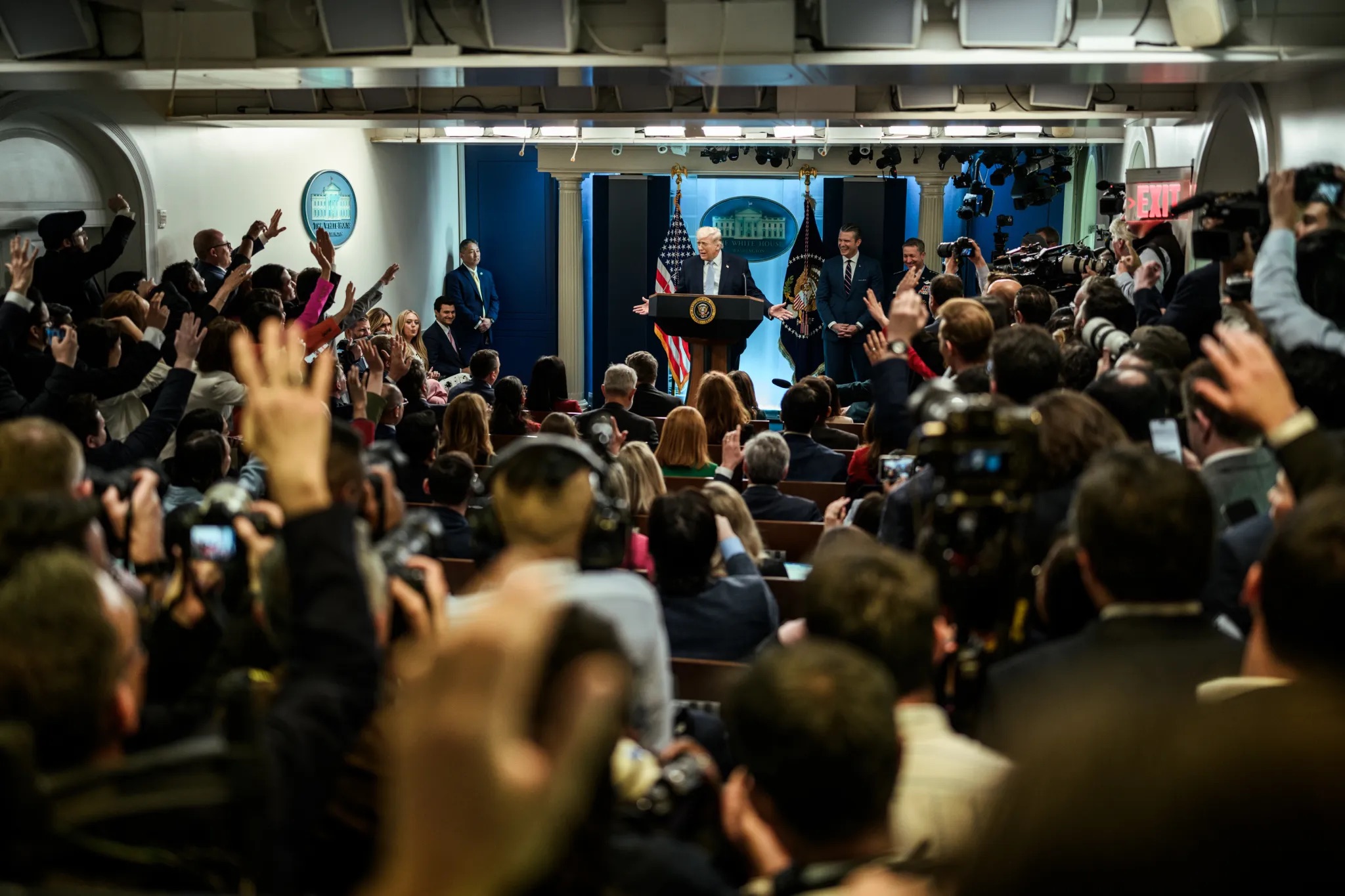
Peace talks will start on Friday between high-level representatives of the United States and Iran in Islamabad, Pakistan, with mediation from the host, Turkey, Egypt and others. The negotiations aim at bringing a lasting end to more than a month of war that has left thousands of people dead and tens of billions of dollars in damages to military and civilian infrastructure across the Middle East.
Watch for: At stake is the control of ship passage in the Strait of Hormuz, which Iran closed as retaliation for U.S. and Israeli attacks on its territory, leading to surging energy prices across the world. Israel has yet to agree to stop attacking Lebanon, Gaza or other territories as announced by Pakistan under the terms of the initial ceasefire that took hold this week. Iran is threatening to retaliate if it’s attacked, as Israeli Prime Minister Benjamin Netanyahu threatened on Wednesday, or if strikes in Lebanon don’t stop after killings of more than 200 people on the same day. Going into Friday’s talks, the United States and Iran remain far apart on terms for a permanent end of hostilities, according to their proposals.
Afghanistan & Pakistan floods
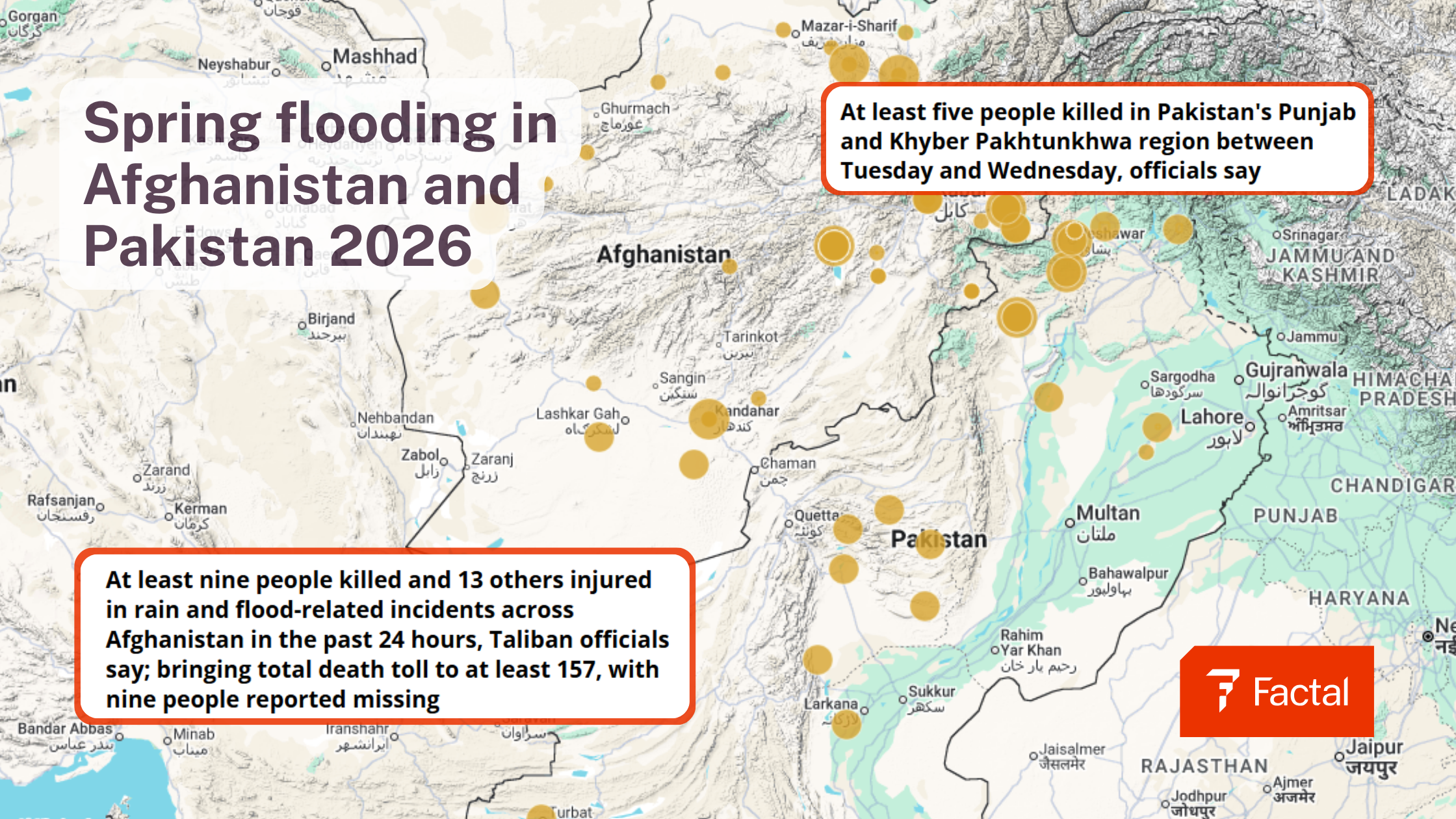
More than 100 people have been killed and scores more injured across Afghanistan due to flooding, landslides and lightning strikes triggered by heavy rains in the last several weeks. The flooding has also affected the Khyber Pakhtunkhwa province of Pakistan across the border, leaving nearly 50 people dead. Urban flooding continues in many cities, including the provincial capital of Peshawar, which has seen more than 200 water rescues in recent days and widespread damage to homes and other infrastructure. The rains are likely to persist in both countries, with Pakistani authorities also warning of a risk of Glacial Lake Overburst Flood, a sudden flood that happens when a lake formed by melting glaciers bursts, through at least Friday.
Watch for: More than 6,000 Afghan families have been affected, with widespread damage to homes, farmland and infrastructure, while access to aid remains limited due to blocked roads. More than 200 miles of roads have been destroyed due to weather-related incidents. Severe weather has left communities already vulnerable due to poor infrastructure, regional instability and economic hardships, even more exposed to further disaster. The Taliban’s draconian laws and ban on women in the workforce has further impeded the ability of international aid agencies to deliver timely, consistent and sufficient assistance. Furthermore, the impact of climate change on fluctuating weather patterns in the region cannot be understated. Rain is expected to continue in both Afghanistan and Pakistan, especially in its north.
Forecast podcast: Heavy rains and floods kill dozens in Afghanistan and Pakistan
Editors Jimmy Lovaas and Awais Ahmad discuss the deadly flooding in Afghanistan and Pakistan, plus more on elections in Peru and Benin, meetings of the International Monetary Fund and the World Bank, and a major strike impacting the Los Angeles Unified School District.
Subscribe to the show: Apple Podcasts, Spotify, and many more.
This episode includes work from Factal editors Awais Ahmad, Vivian Wang, Clara Ip Wai Nam, Jess Fino, and Theresa Seiger. Produced and edited by Jimmy Lovaas. Music courtesy of Andrew Gospe.
Extended Outlook
What's on our radar in the coming weeks...
April 11-17
April 11
- Spanish PM visits China
- Italy railway infrastructure personnel strike
April 12
- Hungary parliamentary election
- Peru general elections
- Paris marathon
- Benin presidential election
April 13
- IMF & World Bank Spring Meetings in Washington, D.C.
- Pope Leo visits Africa
- Canada by-elections
- Naples rail strike
April 14
- Retrial on rape charge against Harvey Weinstein
- LAUSD teacher and service workers strike
April 15
- Montreal blue-collar strike
April 17
- Spain air traffic controllers strike
April 18-24
April 19
- Bulgaria parliamentary elections
- Boston marathon
April 20
- Paris cybercrime unit summons Elon Musk for hearing on X
April 21
- Virginia's redistricting referendum
April 22
- NFL Draft in Pittsburgh, Pa.
- End of current Iran-US ceasefire
April 23
- Assembly elections in Tamil Nadu, India
- First phase of India's West Bengal Assembly election
- Saint George's Day
April 24
- Milan metro strike
April 25-May 1
April 25
- London marathon
- White House correspondents dinner
April 26
- Supreme Court to decide legality of geofence search warrants
April 27
- U.K.'s King Charles and Camilla visit U.S.
- Musk vs OpenAI trial
April 29
- Second phase of India's West Bengal Assembly election
- Court hearing of murders of Rob and Michele Reiner
May 1
- International Workers' Day
- "May Day" general strike
May 2-8
May 5
- Netherlands Liberation Day
May 8
- 48th ASEAN Leaders' Summit
- Costa Rican President-elect Laura Fernández's inauguration ceremony
Thanks for reading! If you'd like the Factal Forecast in your inbox, you can sign up for free.
Top photo: Hungarian Prime Minister Viktor Orban, seen here on Feb. 14, 2026, will run for his fifth-straight term this week against a unified opposition. (Elekes Andor / Wikimedia / CC BY 4.0)
Factal gives companies the facts they need in real time to protect people, avoid disruptions and drive automation when the unexpected happens.
Try Factal for free or talk with our sales team (sales@factal.com) for a demo.