

Over the last year, we’ve witnessed a wave of experimentation as corporate security, risk and supply chain teams embark on building their own internal tools.…

Factal is showing out in the D.C. area during OSAC. Here’s where you can find us and tips on how to learn the most from the busy week of events.
Upcoming events and developing situations, mapped to what you protect Factal has always helped security teams understand what’s happening in real-time, but many decisions happen…

Ask questions. Get fast, reliable answers grounded in the world’s largest living record of verified risk intelligence. “What just happened in Rome?” “Were there any…
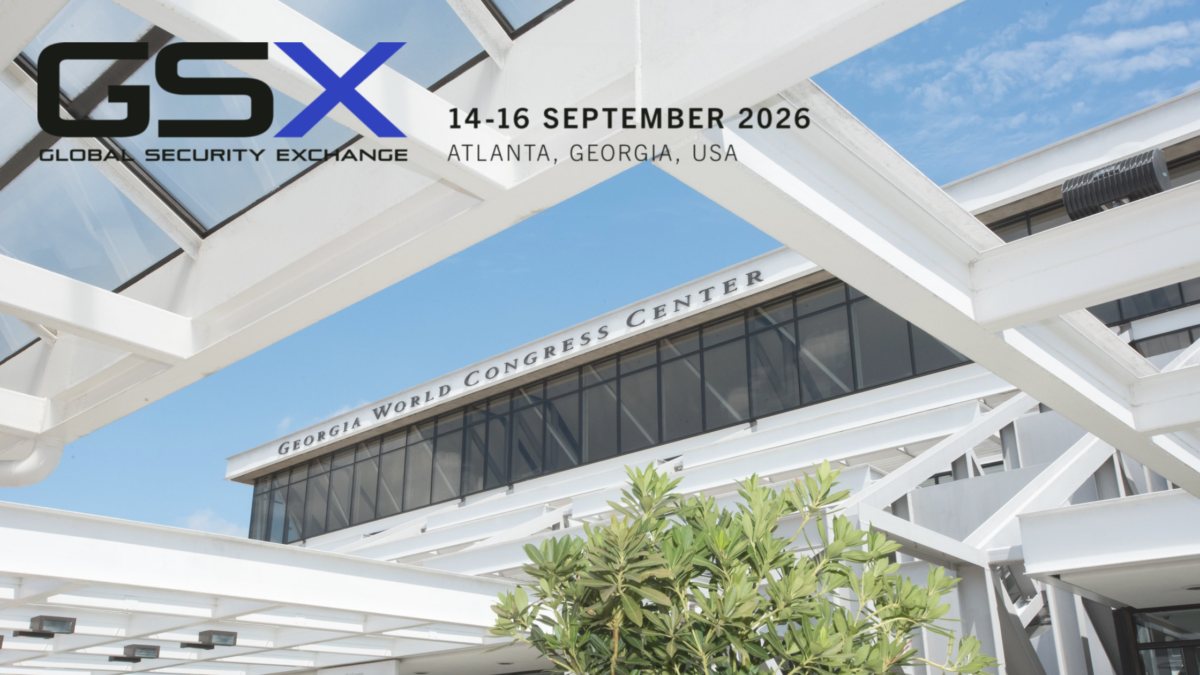
We’re giving GSX attendees a first look at two powerful products launching this fall. If you’re headed to Atlanta, visit our booth (#3410) or schedule…
In an era of AI-generated content and automated alerts, unverified information spreads as fast as the real thing. While a situation evolves, security teams can lose valuable time consolidating reports, locating employees, updating contact lists and responding to claims that later prove false.
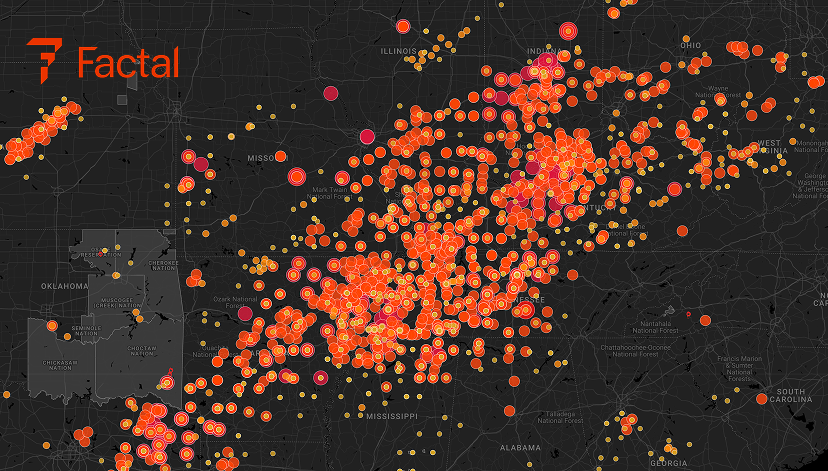
Tornadoes wreak havoc on the continental United States every year, causing widespread structural damage and killing dozens of people. Authorities say about 1,000 tornadoes impact the continental United States annually, 20 percent of which might be considered violent.
No one knows this better than Factal North America Lead Theresa Seiger who has become the resident expert on tornadoes. She leads the editorial team when preparing for tornado season each year and covers their impacts across the country.

When the most geographically dispersed sporting event in history begins next week, hundreds of organizations will rely on Factal’s verified intelligence to keep their people…

Landes Holbrook, Senior Manager for Global Security, Health and Safety, saw the need for an intelligence platform that student assistants could adopt quickly – one that still delivered detailed, actionable risk intelligence without overwhelming the team with noise. They needed speed, clarity and simplicity. A few years ago, Holbrook and Cluff selected Factal to help meet that challenge.
“Of all the platforms we use, I think it’s [Factal] that is most quickly adopted and understood by them,” Cluff says about the student assistants on the team. “They all picked it up quite fast, within a week.”

Logistical complexity — and very expensive tickets — makes attending this year’s World Cup particularly challenging already for sports fans. For risk intelligence professionals too, this tournament will push the limits of experience and require a multi-faceted approach. Jalisco is another reminder that incidents can move quickly — as can rumors — and verified information is of critical importance.