
 Sarah Burke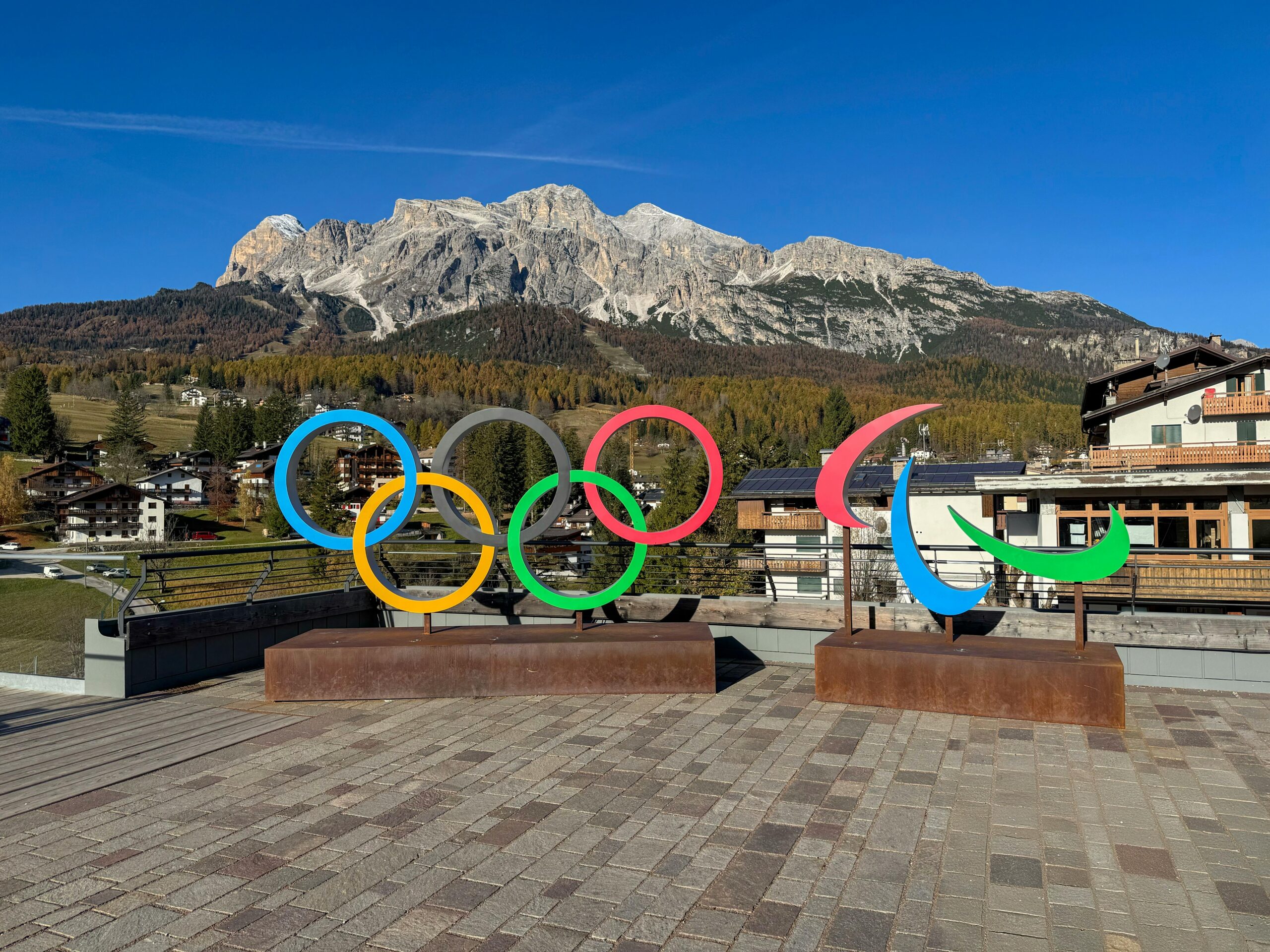
The 2026 Winter Olympics will span the widest footprint of any Winter Games to date with events taking place in eight locations between Milan and Cortina, Italy. About 2 million people are expected to attend the games within a sprawling 22,000 square kilometer area. Milan-Cortina 2026 presents particular logistical and security risks for organizers and attendees alike.
International Olympic Committee (IOC) officials have stated their “full trust” in the work being done to secure the games in Italy. Yet even with extensive planning, risks persist for a major spectator event held amid turbulent times and rising Europe-Russia tensions.
“One of the major threats in the physical domain is low-level criminal sabotage to critical infrastructure like rail electrical circuits, like we saw in 2024 in France before the Summer Games” says Alex Moore, Europe Lead for Factal. “And the likelihood of protest activity is significant.”
Key risks Factal editors are watching for:
- Extreme weather and logistical challenges
- Local and global political protests
- Sabotage and cybersecurity, likely Russian
- Health and safety challenges in high mountain towns
Factal is preparing for the opening of the games by ramping up local sourcing, researching likely risks and preparing essential guidance for members with a presence in northern Italy over the coming weeks.
Logistical challenges

Olympic events will take place at high altitudes (2,239 meters or 7,345 feet) at the Foscagno Pass, meaning access to venues will run through small mountain roads, traversing long distances. The official 2026 Milan-Cortina map is available and organizers have emphasised the availability of “enhanced” public transit during the competition. Authorities will be ramping up transit systems in neighbouring Switzerland and Austria, too, which will be key access points for some competitions. The U.S. Embassy has warned travellers to plan well in advance due to anticipated strain on public transit. Harsh winter weather conditions will continue to present risks to road safety.
Protests
Following the significant protest disruption at Spain’s Vuelta d’España cycling race in September, Olympic organizers are poised for potential protest action. Italy has seen a series of large pro-Palestinian demonstrations in its towns and cities over the last year, including some which have become violent in cities including Milan. Even more recently, Italy’s right-wing government has faced popular discontent and public service disruption following a series of trade union strikes over a recently approved deficit-slashing budget.
As tensions escalate between the US and its European allies over the Trump administration’s persistent attempts to annex Greenland, by force or by purchase, anticipate additional cause for protest as public sentiment regarding the Trump administration further plummets in Europe.
“The games have already drawn protests due to sustainability concerns and operating costs, while pro-Palestinian demonstrations have attempted to disrupt the torch relay. Milan in particular has seen significant pro-Palestinian protest action in recent months.” – Alex Moore, Europe Lead at Factal
Sabotage and cybersecurity
At a time of high tensions over the Russia-Ukraine war on Europe’s eastern edge, sabotage and cybersecurity risks are front of mind. A series of sabotage attacks, attributed to Russia, disrupted train services in and around Paris ahead of the start of the 2024 summer games. This builds on a now long-term track record of suspected Russian sabotage efforts in Europe (Factal members only link). Events as high profile as the Olympic Games will attract the risk of more of these attacks.
Meanwhile, U.S. company Cloudflare, which played a key role in securing the Paris 2024 games, has threatened to pull out of cooperation with Milan-Cortina after an Italian government body sanctioned the company for alleged breaches of anti-piracy regulations.
“Russia has proven to be adept at simply paying low-level criminals in Europe to commit crimes like arson attacks that serve their geopolitical interests and cause disruption. Italy specifically could be fertile ground for such recruitment given the economic situation there coupled with widespread support for populist parties that have pro-Russian leanings on the far-right.” – Alex Moore, Europe Lead at Factal
Health and safety
Given the remoteness of the terrain, access to primary healthcare facilities can be up to a two hour drive from some venues. Healthcare services in the immediate vicinity of some venues may be limited. Freezing conditions and inclement weather also pose a risk. Earlier this month, a security guard at an Olympic venue in Cortina died during an overnight shift where the temperatures reached as low as 10 degrees Fahrenheit. An investigation is underway into the cause of death. Spectators and authorities will also be on high alert for increases in petty crime especially in large crowds and on public transit.
“It will be difficult to heavily police the games given how geographically dispersed they will be, though access to some of the northern venue cities will require tickets.” – Alex Moore, Europe Lead at Factal
What Factal members should expect
Logistical issues remain a planning risk, but Factal’s current monitoring has not identified an event-wide threat at an elevated level. Security is typically high for large international gatherings like the Olympics. Factal’s 24/7 editorial team will continue to track developments across Italy (and the globe), to ensure members are aware if any threats or disruptions arise in real-time.
Top photo: Olympic and Paralympic Symbols in Cortina d’Ampezzo (David Dilbert/Pexels)
What is Factal?
Trusted by many of the world’s largest companies and more than 300 humanitarian NGOs, Factal is a risk intelligence and collaboration platform that brings clarity to an increasingly noisy and uncertain world.
Powered by a hybrid of advanced AI and experienced journalists, Factal detects early signals, verifies critical details and assesses the potential impact at the speed of social media. From physical incidents to geopolitical developments, Factal offers the most trusted, real-time risk intelligence on the market.
Factal is also home to the largest security and safety collaboration network in the private sector. Members securely share information with other members in proximity to the same incident, both on Factal.com and the Factal app.
Learn more at Factal.com, and we’d love to hear from you.