
 Factal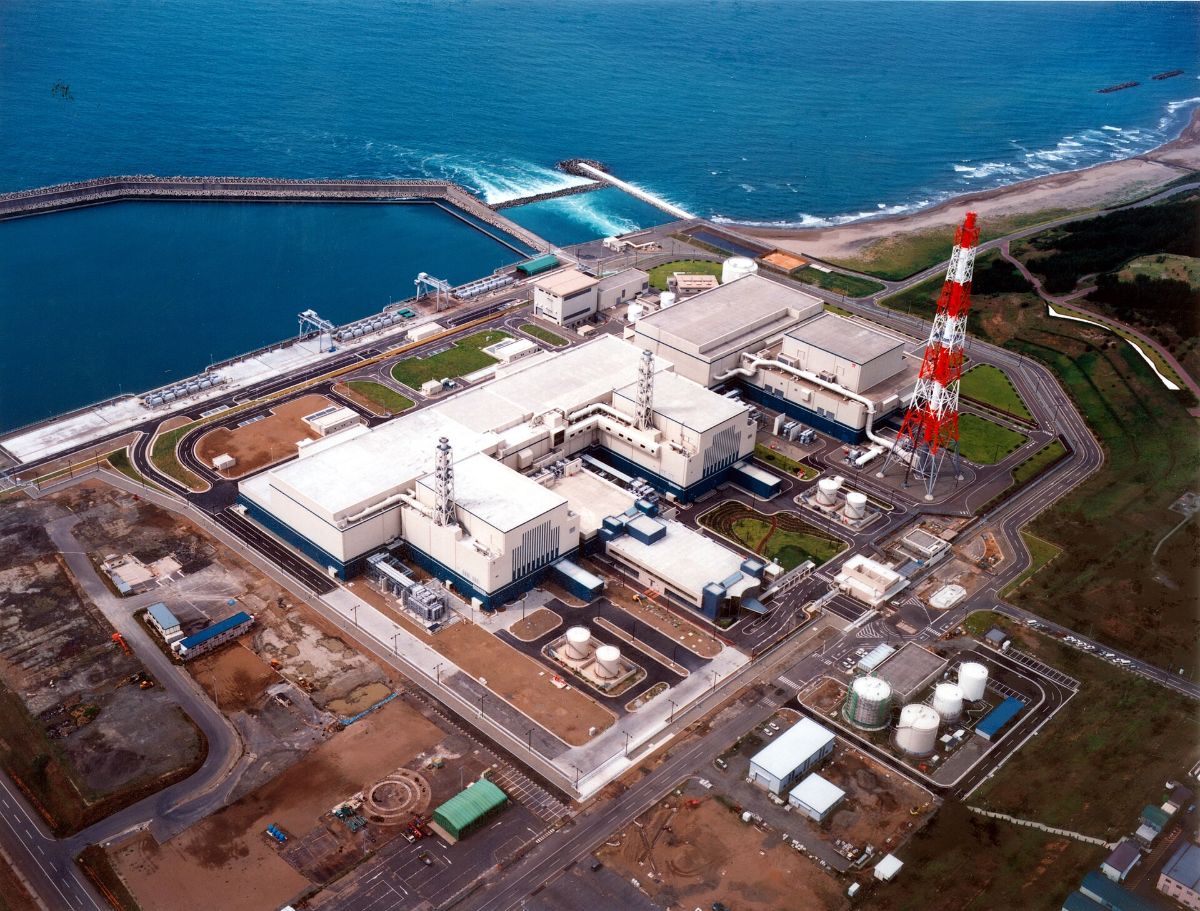
Welcome to Factal Forecast, a look at the week’s biggest stories from the editors at Factal.
We publish our forward-looking note each Thursday to help you get a jump-start on the week ahead.
U.S. President Donald Trump threatened Iran with “very strong action” this week if the regime follows through with executing protesters. In this week’s Factal Forecast podcast, Senior Editor Jimmy Lovaas and Editor Ahmed Namatalla discuss reactions to the ongoing protests, including by the exiled son of the deposed Shah.
Listen now or download on your favorite platform.
Top photo: Japanese authorities will resume operations at Kashiwazaki-Kariwa, the world’s largest nuclear power plant, on Tuesday. (Photo: Tokyo Electric Power Co., TEPCO)
Week of January 16 – 23
A Look Ahead
Jan. 18 | Portuguese presidential elections
Portugal will elect its new president on Sunday in a highly contested vote, with popular President Marcelo Rebelo de Sousa stepping down after 10 years leading the nation.
What’s happened so far
There are 11 candidates running to replace de Sousa. Five of them — former Navy Chief Henrique Gouveia e Melo, member of European Parliament João Cotrim Figueiredo, former TV commentator Luís Marques Mendes, leader of the far-right party Chega André Ventura and politician António José Seguro — are all leading the polls as possible candidates for a second round. Polls are divided about these candidates, but all of them suggest it will take a second round to elect the new head of state.
The impact
Given that de Sousa is a member of the ruling Social-Democratic Party (PSD), a change in leadership could threaten years of a good relationship between the president and current government. If elected, Ventura could prove to be a disruptive head of state, as his party is currently the main opposition. It is also unclear who would replace him in Parliament. While Figueiredo has gained popularity in recent days and Gouveia e Melo is also high in polls, the final vote will likely come down to independent PSD-supported Luís Marques Mendes, Socialist Party-supported António José Seguro or Ventura.
Jan. 19 | Davos World Economic Forum
Leaders from governments, businesses and civil society will arrive Monday in Davos, Switzerland, for the 56th annual economic forum amid rising global uncertainty driven by U.S. President Donald Trump’s punitive trade tariffs, military intervention in Venezuela and threats of seizing Greenland.
What’s happened so far
The World Economic Forum’s Global Risks Report 2026 named geo-economic confrontation as the top risk for the coming year and has dubbed the forum “A Spirit of Dialogue” aiming to provide an “impartial platform” to attendees. A total of 64 heads of state or government are expected to attend, with the United States reportedly sending its largest-ever delegation headed by Trump. Ukrainian President Volodymyr Zelenskyy will also be in attendance and reporting has suggested that a major $800 billion reconstruction deal with the United States could be agreed during the course of the forum.
The impact
World Economic Foreign Chief Executive Borge Brende said the forum is taking place “against the most complex geopolitical backdrop since 1945” and it is likely that all eyes will be on the American president to see what tone he strikes during proceedings. Ukraine’s allies, known as the “coalition of the willing,” are expected to meet with both Trump and Zelenskyy at the forum in the hope of obtaining U.S. backing for security guarantees for Kyiv.
Jan. 19 | Vietnam Communist Party 14th five-yearly congress
In a week-long meeting starting Monday, delegates will select the Vietnam Communist Party’s top leaders and set key goals for the country until 2030.
What's happened so far
Around 1,600 delegates of Vietnam’s ruling Communist Party will gather in Hanoi to decide on the new members of its highest body, the Politburo, from which the general secretary is chosen, and set the country's development targets for the next five years. Vietnam’s leader To Lam, who came into power in 2024 after succeeding the late Nguyen Phu Trong, currently holds both top roles of the Communist Party’s general secretary and country’s president.
The impact
Lam has launched sweeping reforms since he came to power, pushing for economic changes and consolidation of power within the party. Many see Lam as the likely forerunner of the leadership race. While official announcement on the country’s leadership is expected only at the congress, Lam released an ambiguous statement that appeared to be thanking party officials for endorsement to keep his post as the general secretary after a party plenum in late December. Analysts say economic growth is likely to take the center stage among targets that’d be put forward in the upcoming meeting, with the party seeking to create a new growth model promoting private companies as the “driving force” under the state’s “leading role.”
Jan. 20 | Japan to restart world’s largest nuclear power plant
Japanese authorities will resume operations at the world’s largest nuclear power plant on Tuesday.
What's happened so far
The Kashiwazaki-Kariwa plant has been offline since the 2011 earthquake and tsunami that triggered the Fukushima disaster, ultimately leading Japanese officials to shutter operations at 54 reactors. In the 15 years since, just 14 of the 33 reactors that remained operable have been brought back online, and Kashiwazaki-Kariwa will mark the first operated by Tokyo Electric Power Co (TEPCO), the same operator of the Fukushima plant that melted down in 2011.
The impact
The plan to restart Kashiwazaki-Kariwa can be situated within the context of the Japanese government’s plan to boost nuclear energy to roughly 20 percent of the country’s energy intake by 2040. Kashiwazaki-Kariwa and operator TEPCO have both faced scrutiny in the past, with the plant being shuttered for nearly two years in 2007 after a large earthquake triggered fires and a minor radiation leak, and in 2021 when regulators barred TEPCO from restarting the plant due to safety breaches before ultimately lifting the ban.
Jan. 21 | Verdict over assassination of former Japanese PM Shinzo Abe
Japan’s Nara district court is set to deliver a verdict and sentence for the man accused of assassinating former Prime Minister Shinzo Abe on Wednesday.
What's happened so far
Japanese prosecutors are seeking a life sentence for suspect Tetsuya Yamagami, who pled guilty to all charges in the fatal shooting of Abe during an election campaign event in Nara in July 2022. Yamagami testified his motive was “like revenge” for family members he alleges were ruined by the Unification Church. His defense team did not contest the charges, but argued for a more lenient sentence on grounds of the hardship he suffered from his mother’s involvement in the Unification Church, and that his homemade gun falls outside of firearm control laws.
The impact
Yamagami's motive led to widespread public scrutiny around the Unification Church’s connections to politicians in Japan, with the Tokyo District Court ordering its disbandment in the country last year. The Church is also under fire in its home country of South Korea, where they are being investigated for bribery and corruption.
Jan. 21 | U.S. Supreme Court to hear Trump's bid to fire Fed's Lisa Cook
The highest court in the United States will hear arguments on Wednesday on President Donald Trump’s effort to remove Lisa Cook from the Federal Reserve’s board of governors.
What's happened so far
Trump announced Cook’s removal in a letter shared on social media in August, pointing to allegations of mortgage fraud that she has called “flimsy” and “unproven.” A federal appeals court halted Cook’s firing in September, saying it would likely violate the 1913 Federal Reserve Act. The Supreme Court subsequently declined a Trump administration request to pause the court ruling, allowing Cook to stay in office pending the high court’s decision. Nominated to the board by then-President Joe Biden, Cook was sworn in for a 14-year term in 2023.
The impact
Wednesday’s arguments come as Trump steps up pressure on the Fed to cut interest rates, which he insists are not being lowered fast enough. On Sunday, Fed Chair Jerome Powell announced that the Justice Department opened a criminal investigation against him, saying it was “a consequence of the Federal Reserve setting interest rates based on our best assessment of what will serve the public, rather than following the preferences of the president.” Since taking office, Trump has pushed aggressively to exert more control over independent agencies like the Fed.
In 2025, global risks didn’t slow down, and neither did Factal

Factal members — including over 300 NGOs — relied on our intelligence to protect people and maintain their operations around the world. Here’s how we did it:
- 21% increase in verified updates for faster, more confident decisions
- 2,000+ editor’s notes delivering critical context and real-time assessments
- Trusted AI features like Catch me up and Topic summaries
What Else Matters
Fallout from U.S. federal agent shootings
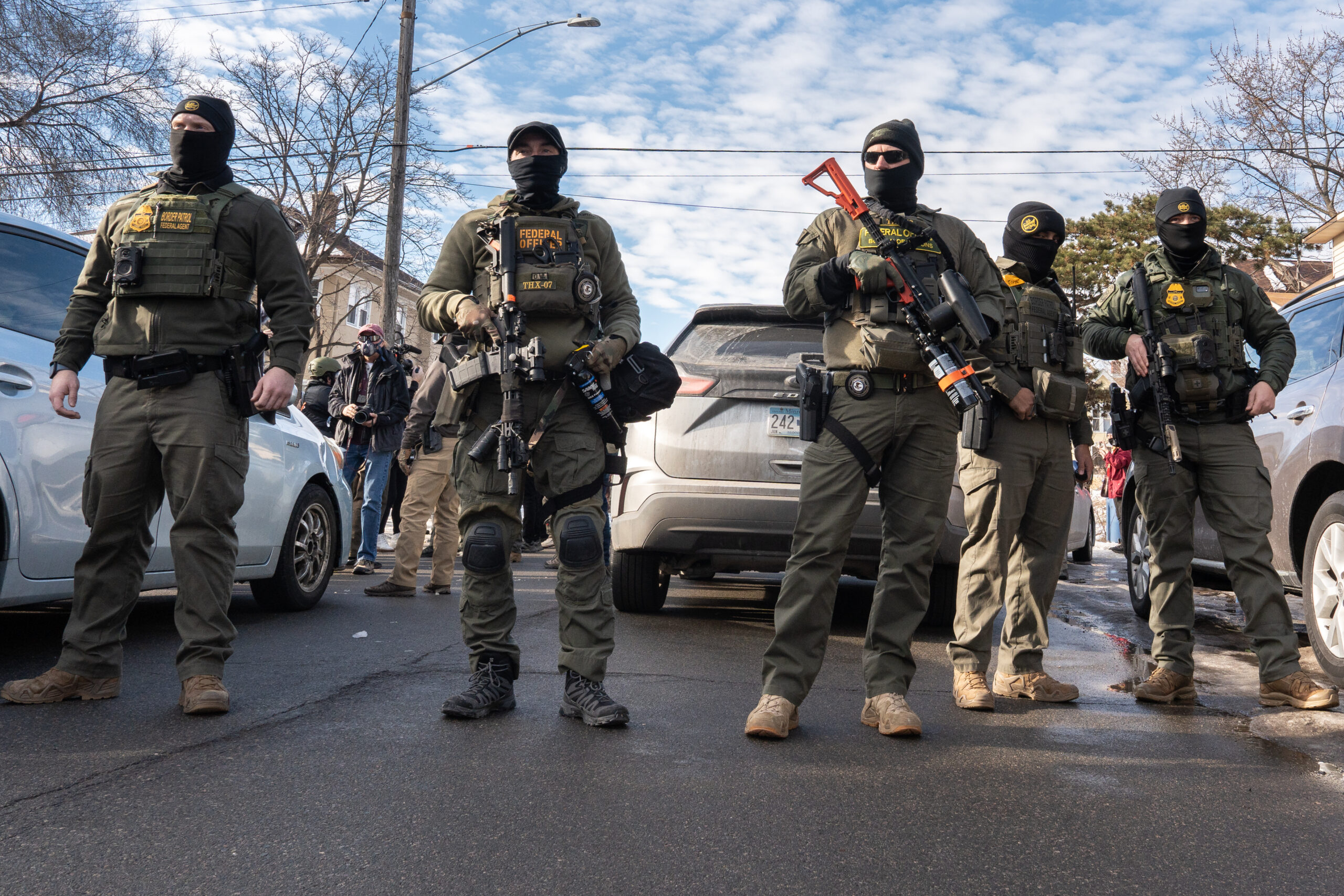
A pair of shootings involving federal agents last week in Minneapolis and Portland, Ore., triggered nationwide demonstrations over the weekend, with those two cities continuing to see daily protests. The fatal shooting of Renee Good on Jan. 7 by an ICE officer in Minnesota sparked the latest round of opposition to immigration enforcement operations, and was followed just over 24 hours later by a shooting during a traffic stop by Border Patrol agents in Oregon's largest city. In both instances, federal officials say the targets "weaponized their vehicle," prompting the officers to act in self-defense. On Tuesday, six federal prosecutors in Minnesota tendered their resignations, reportedly taking issue with both the Justice Department's push for a criminal investigation into Good's widow, and a reluctance to investigate the shooter.
Watch for: Homeland Security Secretary Kristi Noem told Fox News on Sunday that "hundreds" of additional federal agents would be deployed to Minneapolis to protect officers and continue enforcement operations, prompting a lawsuit filed Monday by the state alleging the surge is "unconstitutional and unlawful." Meanwhile, protesters have gathered daily outside the Whipple Federal Building in Minneapolis, clashing at times with federal agents, while nightly demonstrations outside the ICE building on Portland's South Waterfront have intensified, with police reporting at least 10 arrests over the past week.

Iran protests
Anti-government protests have again started in Iran, an oil-rich nation of more than 90 million people ruled by theocracy and suffering under the weight of Western-imposed economic sanctions for decades. Unlike past confrontations between Iranians and their government, this bout is unique because of the public and persistent support for protesters by the United States and Israel, two countries that attacked Iran militarily last year and are threatening to repeat their actions.
Watch for: Iranian authorities are responding with lethal force, as they have during previous outbreaks of unrest, killing hundreds of protesters over two weeks, according to multiple human rights organizations who cite their own independent verification. Meanwhile, the U.S.-exiled son of the country’s former dictator is claiming that he’s directing the demonstrations and has popular domestic backing to take over leadership after toppling the government. The threat of U.S. military action in Iran is heightened after its attack on Venezuela and removal of that country’s president, with President Donald Trump drawing parallels between the two situations in an interview this week. Iran is vowing to retaliate by attacking U.S. military bases in the region, as well as Israel.
This episode includes work from Factal editors Ahmed Namatalla, Jess Fino, James Morgan, Vivian Wang and Theresa Seiger. Produced and edited by Jimmy Lovaas. Music courtesy of Andrew Gospe.
Extended Outlook
What's on our radar in the coming weeks…
Jan. 16-23
Jan. 16
- South Korea court to rule on ousted President Yoon's insurrection charges
- Japan's PM Takaichi to meet Italian PM Meloni in Tokyo
- French PM Macron to meet New Caledonian officials
- Canada’s PM meets with Chinese president
Jan. 18
- Final match of Africa Cup of Nations 2025
- Portuguese presidential elections
Jan. 19
- Vietnam Communist Party 14th five-yearly congress
- World Economic Forum in Davos, Switzerland
Jan. 20
- Japan to restart world's largest nuclear power plant
Jan. 21
- Japanese court to hand down verdict over 2022 assassination of former PM Shinzo Abe
- U.S. Supreme Court to hear Trump's bid to fire Fed's Lisa Cook
Jan. 24-30
Jan. 24
- Legislative Assembly elections in Pakistan's Gilgit-Baltistan
Jan. 25
- Nepal upper house election
- Third phase of Myanmar elections
- Egypt's Police Day
Jan. 26
- India's Republic Day
Jan. 31-Feb. 6
Feb. 1
- Start of conscription for Jordan military service
- Costa Rican general election
Feb. 3
- New START Treaty expiration
Feb. 6
- Winter Olympics begin in Milan
- Three-day Basant festival in Lahore
Feb. 7-13
Feb. 7
- Haiti's Presidential Transitional Council mandate ends
Feb. 8
- Super Bowl
- Thailand snap election
Feb. 10
- General strike in Argentina
Feb. 12
- Bangladesh parliamentary election and July Charter referendum
Thanks for reading! If you'd like the Factal Forecast in your inbox, you can sign up for free.
Factal gives companies the facts they need in real time to protect people, avoid disruptions and drive automation when the unexpected happens.
Try Factal for free or talk with our sales team (sales@factal.com) for a demo.