
 Factal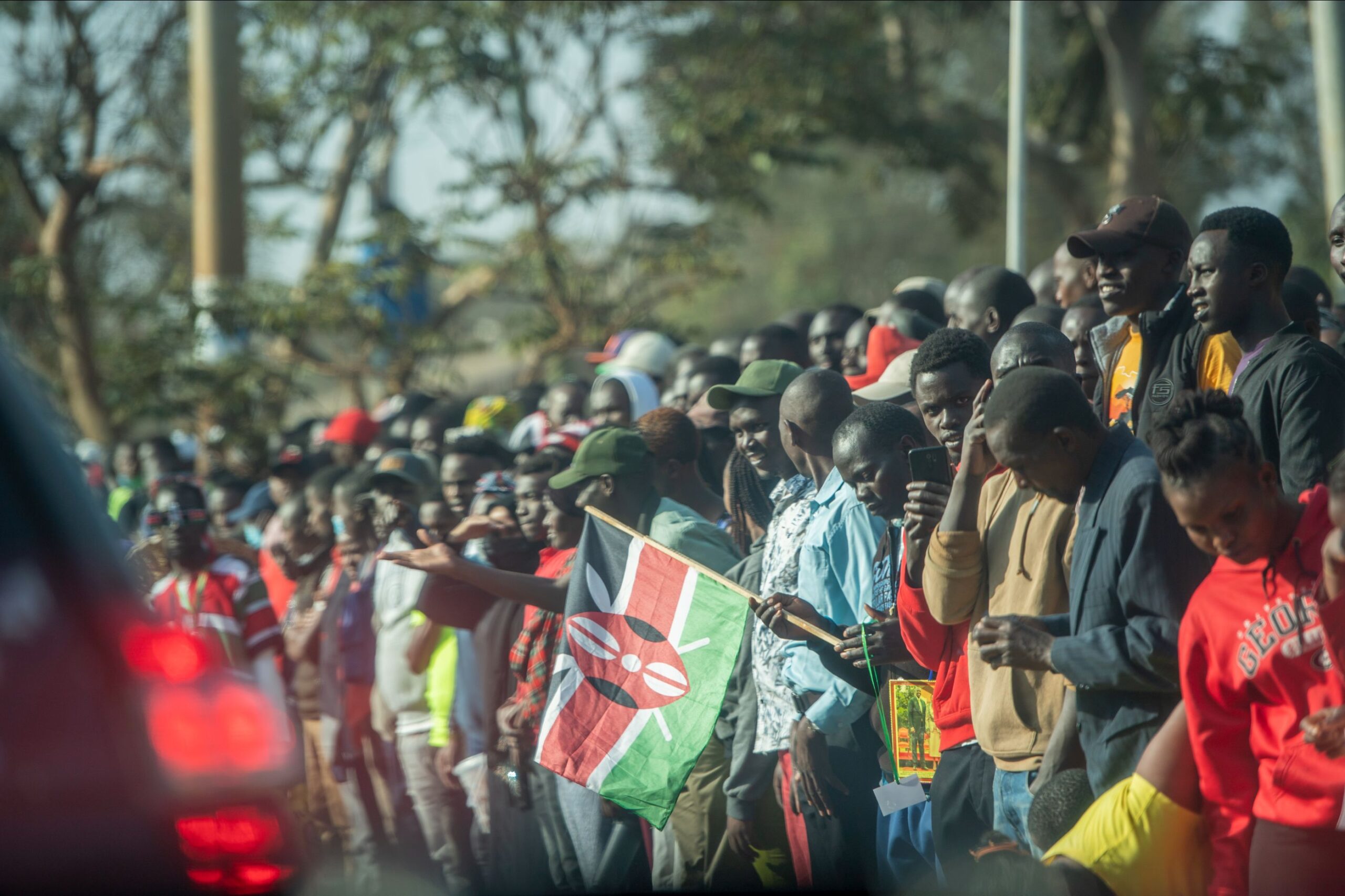
Calls for the resignation of Kenya’s President William Ruto ring at anti-government protests, as deaths and “disappearances” mount.
The presidency of Kenya’s William S. Ruto has faced resistance from the start. His narrow 2022 election win was met with skepticism, and in the months since, his administration has leaned to a hardline approach, framing dissent as a crime of terror, deepening dissatisfaction in a country with high unemployment rates and mounting public frustration.
Widespread protests over inflation began within six months of Ruto taking office and soon turned deadly amid allegations of “excessive police force.” The unpopular Kenya Finance Bill 2024, which proposed taxes on food and fuel, reignited the demonstrations, and the swift and violent police response left at least 63 people dead between June and October, and dozens more missing, many of whom are believed to have been abducted by security forces.
“The focus this year is more on police brutality, be it the [custodial] death of the blogger, Albert Ojwang, or accountability for all the people who died in protests,” Factal Editor Owen Bonertz said.
Ojwang was a critical blogger arrested at home in Homa Bay on June 6 for libel after criticizing a police official on social media and died within the first few days of police custody. Authorities originally said he had died by suicide, but after a government pathologist found injuries “unlikely to be self-inflicted,” police were forced to walk back the claim.
His death caused outrage, and many flocked to the streets demanding accountability. In the protests that have rocked Kenya since, at least 65 people are reported dead and more than 1,100 people were arrested, according to a police oversight watchdog.
“The vast majority of deaths have been from police using live ammunition, and also cardiac arrests from tear gas.”
Even as the death toll from protests rose past 40, Ruto doubled down by encouraging police to “shoot the legs and break them,” referring to the demonstrating youth, popularly known as the Gen-Z protesters, as looters and arsonists, and later, as terrorists. More than 110 people detained at recent anti-government protests may face terror-related charges.
“The vast majority of deaths have been from police using live ammunition, and also cardiac arrests from tear gas – then there’ve been instances of people getting caught in a crossfire, which is one of the things that inflamed the protests in late June,” Bonertz said. “The human rights groups that are monitoring the protests have said that most of the injuries have been from gunshots.”
A July 24 report from the Independent Policing Oversight Authority in Kenya found “significant breaches of constitutional policing standards.” Police, the report said, were prepared from the start to treat the demonstrations as riots, “[undermining] any possibility of holding peaceful protests.”
From casting protesters as terrorists to accusing them of attempting to overthrow the government, Ruto’s administration has reshaped the narrative, thinly disguising repression as a security response. Though Gen-Z protesters succeeded in forcing the withdrawal of the Finance Bill scrapped in 2024, their demand for justice and accountability remains a harder challenge.
“With some of the more prominent cases of police brutality that are fueling protests, like the death of Albert Ojwang, there have been arrests, including police officers,” Bonertz said. “But, the Kenyan justice system moves very slowly … so there haven’t been acquittals or convictions yet.”
“The Kenyan justice system moves very slowly … so there haven’t been acquittals or convictions yet.”
“As far as the immediate term goes, what can spark more protests is what we have been seeing already – stories of other people dying or being beaten in police custody, or government dissenters being kidnapped. More instances of police violence would be the main thing to spark more protests,” Bonertz said.
For now, protest fatigue, police violence, and severe criminal charges appear to have slowed the momentum.
“I think a lot of young Kenyans are genuinely afraid of being maimed, or being arrested and subjected to terrorism charges,” he said. “And I think the opposition is beginning to organize in a more political manner.”
The most cohesive opposition front is currently one cobbled together by Wiper Democratic Party Leader Kalonzo Musyoka, a former vice president, ahead of the 2027 elections. For now, it includes former and current politicians or lawmakers, including Kalonzo Musyoka and Rigathi Gachagua, but is missing former Prime Minister Raila Odinga whose Orange Democratic Movement (ODM) signed a political deal with Ruto in March.
“A major figure of the Kenyan opposition that has emerged, and probably the most likely person to defeat Ruto in 2027, is Rigathi Gachagua. He is from the Kikuyu community, is very popular, and has kind of taken up their cause ahead of the 2027 election,” Bonertz said.
“Many of the protests have taken place either in Nairobi or in the general Mount Kenya region, which … is majority ethnic Kikuyu and Kalenjin communities, and … in the 2022 election, was Ruto’s base of support, so it’s been interesting to see them kind of turn on him.”
The opposition, including the ODM, is now attempting to wrangle #Rutomustgo into a 2027 rallying cry. But Ruto has scoffed at the movement, dismissing it as “wash wash,” slang for a scam.
“They call him WANTAM, a Kenyanization of ‘one term’ … because they recognize his stepping down or removal from office is not super likely, given the composition of the country’s parliament,” Bonertz said.
Written by Halima Mansoor. Edited by Bada Kim and Jillian Stampher.
Further reading:
- Review Factal’s coverage of the 2025 protests against President Ruto’s administration on topic page (members link)
- Take a listen to Kenya’s Gen-Z protesters talk about what stirred them to protest against the Finance bill in 2024
- This report by Human Rights Watch explores Kenya’s crackdown on the 2023 anti-government protests
- Watch this special report by Citizen TV Kenya, “Gen Z: Our Revolt, Our Story”
- Africa Check takes a look at President Ruto’s key claims since he took office in this #1000daysscorecard

Thanks for reading! If you enjoyed this edition, sign up here to receive The Debrief in your inbox on the first of every month.
Top photo: Young people line up along the procession route leading to the swearing-in ceremony of then-President-elect William Ruto in Nairobi on Sept. 13, 2022. (Photo: Flickr/Paulkagame)